Mensch Maschine Residency Programme 2026: Mechanic Ghosts and Entangled Realities
In 2026, the JUNGE AKADEMIE (AdK), VISIT - the fellowship programme of the E.ON Foundation - and E-WERK Luckenwalde have again offered four fully funded Mensch Maschine fellowships to four international artists. The programme supports projects operating at the intersection of technology, energy and ecology, with a 2026 thematic focus on Mechanic Ghosts and Entangled Realities.
In the Spring of 2026, three of the selected artists will start their residencies at E-WERK Luckenwalde and one artist will take their studio at the Akademie der Künste in Berlin. As part of the programme, the partners will host a Summer School at E-WERK Luckenwalde, ending with a public Open Studios on Saturday 6 June, where the residency artists will show their work in progress. In addition, the partners will host a field-trip at Ujazdowski Castle Centre for Contemporary Art in Warsaw, Poland. A major festival and public programme is planned for Autumn 2027 at the Akademie der Künste.
The artists in residence are:
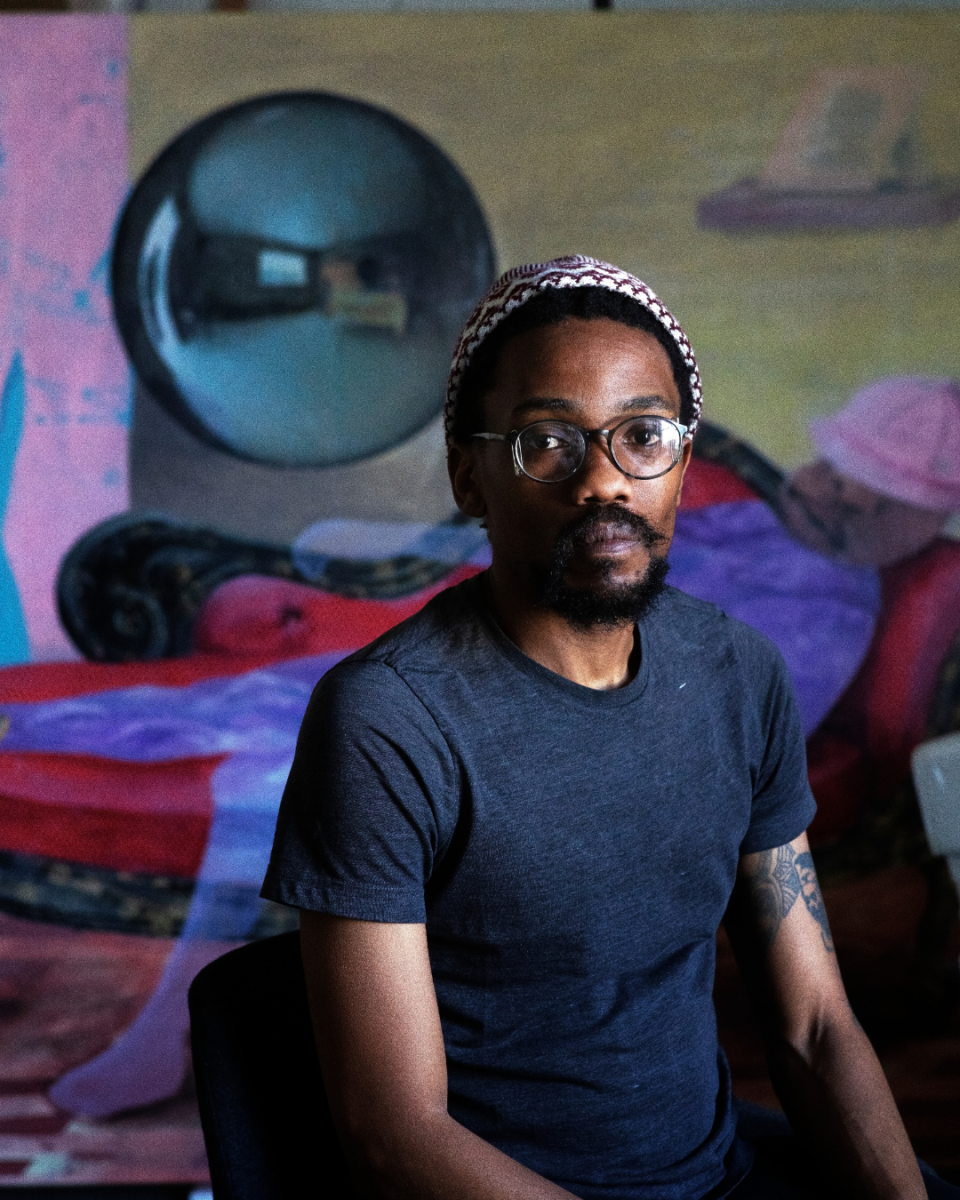
As part of their residency, Ntuli will develop Performing Reform, a creative research project that uses immersive spherical dome projections to explore how bodily experiences of disorientation and spatial displacement reveal the psychological and political dimensions of land reform. Beginning in South Africa, the project investigates land dispossession not only as policy but as embodied trauma, examining how different bodies register the loss or transformation of land. By combining data, energy, and performance, Ntuli will materialize the vertigo of contested land ownership and test how artistic practice can make these visceral effects visible. Phumulani Ntuli, holds a Masters of Fine Arts - Arts Edhea in Sierre-Switzerland. He has presented and/or contributed work within the context of the Venice Biannale 2022, Spier Light Art Festival 2021, Fak’ugesi African Digital Innovation Festival 2020, Young Congo Biennale 2019, Live Works V6 Centrale Fies , Kampala Biennale 2016. His work merges the ambit of artistic research, sculpture, video installations and performative practices
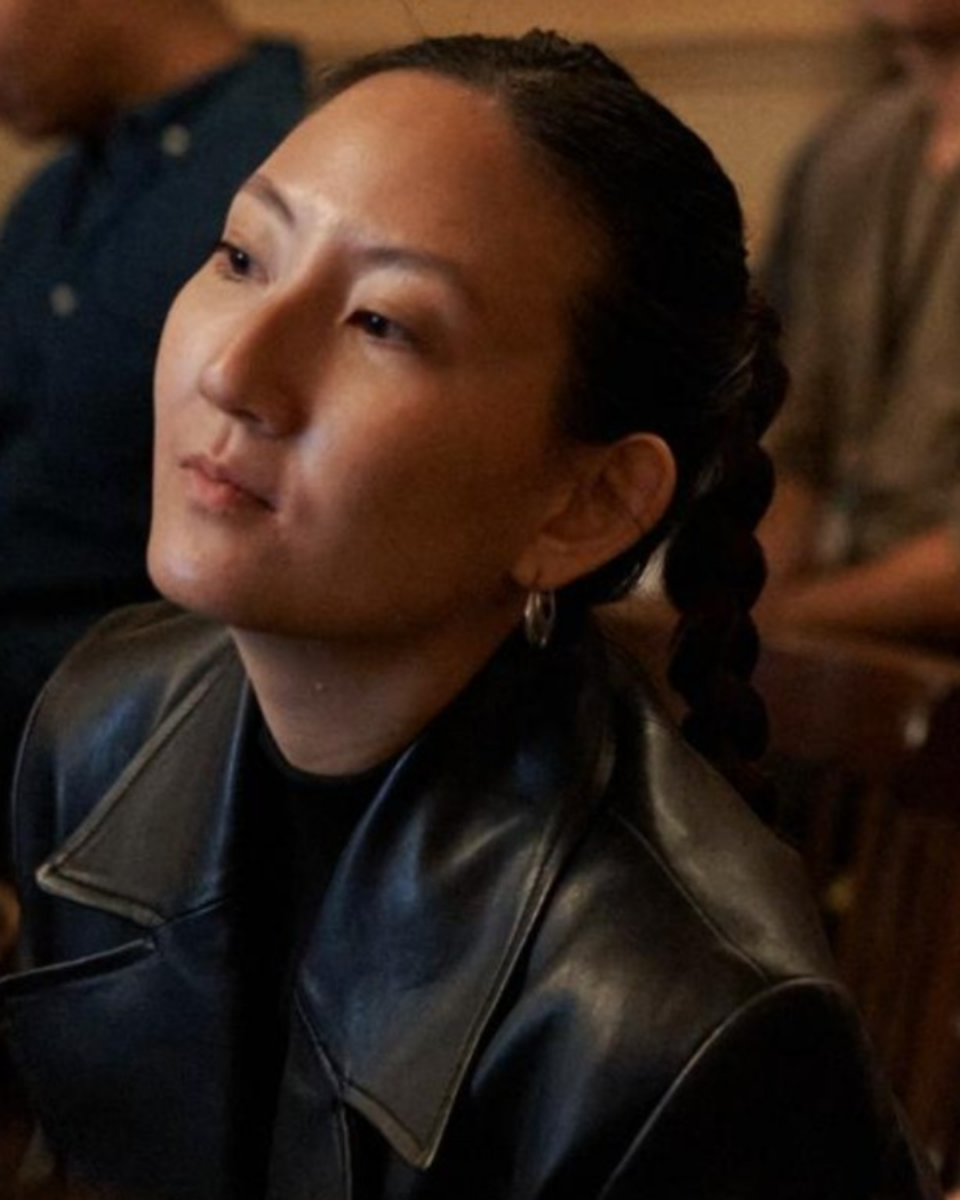
As part of their residency, the artist will develop a project exploring the Gobi Desert through autonomous browser agents that navigate the web according to forces like trade, wind, migration, and love. These agentic “ghosts” collect shapes, sounds, texts, and actions, reflecting both environmental and human systems, and embody the entanglement of ecological, technological, and cultural histories uncovered during fieldwork in Western China. The work will create a dispersed, web-based choreography that reimagines AI not as a tool, but as a medium for attuning to planetary movements, adaptation, and the ephemeral rhythms of human and non-human life. Flora Weil is an interdisciplinary technologist with a background in engineering and design. She takes a holistic approach to building and researching technology that combines ecology, anthropology, philosophy, game design, strategy, prototyping. She holds a double Master's in Innovation Design Engineering from the Royal College of Art and Imperial College London. Her past projects have been shown at the V&A Museum, Singapore Art Museum, and M+ Museum. She was previously a research fellow at Strelka Institute, Transformations of the Human, M+ Museum and Design Trust. She taught in the Interactive Media Arts department of NYU. Shanghai and now co-runs a creative studio called Nephila that builds open-source tools for experimental worldbuilding.
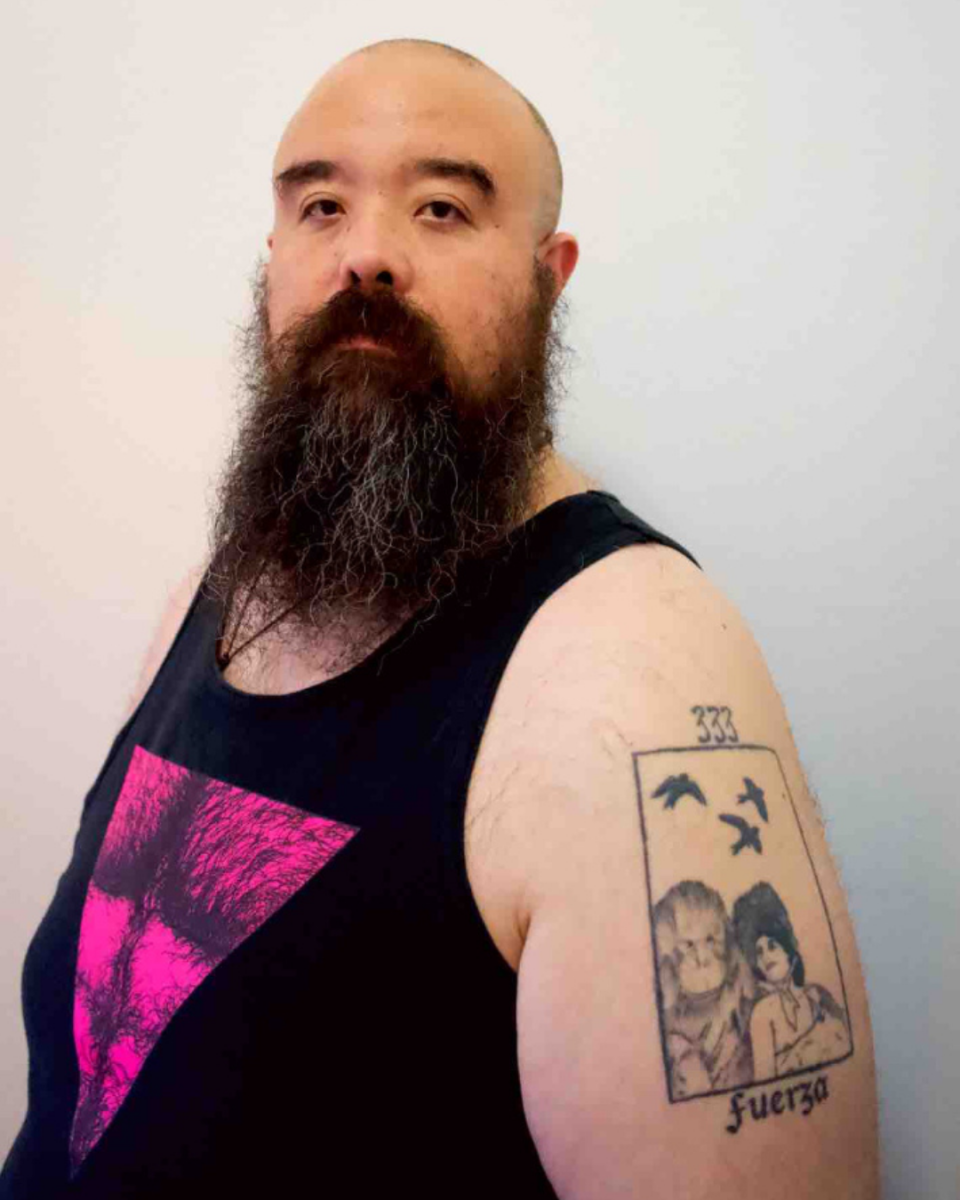
As part of their residency, the artist will explore Indigenous and ancestral Wixárika technologies, particularly the Nierika, to inform new ecological and machinic imaginaries. Drawing on ritual practice, diasporic knowledge, and objects held at the Ethnologisches Museum, they will create Nierika using trance-based drawing, code-driven processes, audiovisual work, and performative methods. The project will produce sculptural forms and a soundscape that act as living interlocutors, bridging human, spirit, and more-than-human realms while emphasizing reparative and relational possibilities. Edgar Fabián Frías is a boundary-defying multidisciplinary artist, educator, and brujx based in Los Angeles, holding degrees in Psychology, Studio Art, and an MFA in Art Practice from UC Berkeley. Drawing on their Wixárika lineage and informed by post-internet, queer, and glitch aesthetics, Frías creates immersive works that interlace technology, spirituality, and collective healing, deliberately unsettling conventional categories. Their practice investigates resilience and radical imagination through Indigenous Futurism, queer/trans cosmologies, and data justice, crafting portals that function as spells, maps, and mirrors. Through these works, Frías invites re-enchantment while conjuring futures grounded in justice, care, and magic.
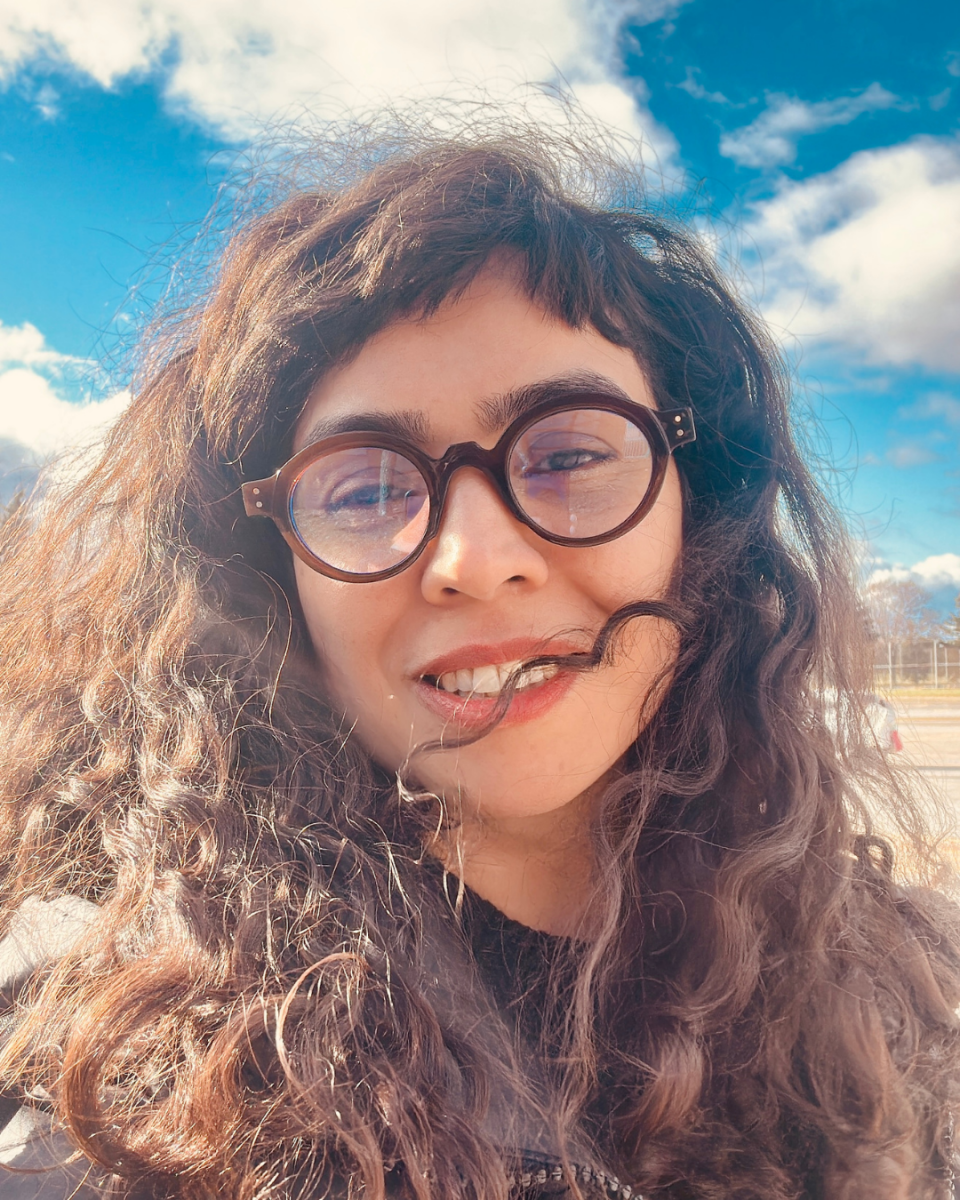
During their VISIT residency at E‑WERK Luckenwalde, Sepideh will develop When I Call a Ghost, a multi-channel moving-image installation exploring the entangled histories of energy, gender, and image-making across industrial, algorithmic, and ritual regimes of vision. The project combines archival films, geological samples, and reflective optics to stage a dialogue with the “ghosts” of exhausted infrastructures, folding the viewer’s reflection into a recursive field that transforms mechanisms of capture into gestures of attention. Through this work, Sepideh investigates how energy, matter, and memory co-inhabit landscapes and bodies shaped by extractive modernities. Sepideh Behrouzian (b. 1985, Iran) is an artist and researcher based in Toronto. Her practice engages with extractive infrastructures, visual regimes, and the production of knowledge, working across moving image, installation, writing, and research-based methods. She is particularly interested in how energy, technology, and modern systems of representation shape bodies, landscapes, and historical perception.